Sodium saccharin (E954, CAS 128-44-9) is a zero-calorie high-intensity sweetener. Learn its specs, industries, regulatory compliance, mesh types & tips for bulk procurement. Target Keywords: Primary: sodium saccharin Long-tail:sodium saccharin E954, sodium saccharin food grade, bulk sodium saccharin supplier, sodium saccharin specifications, sodium saccharin applications, sodium saccharin safety, saccharin sodium CAS 128-44-9.
If you are a food formulator, beverage manufacturer, confectionery producer, or industrial ingredient buyer searching for a cost-effective, zero-calorie high-intensity sweetener, sodium saccharin (also known as saccharin sodium, E954) is one of the most widely used options globally. This guide covers its core properties, common applications, compliance standards, available grades, and key considerations when sourcing bulk sodium saccharin for your production line.
What is Sodium Saccharin?
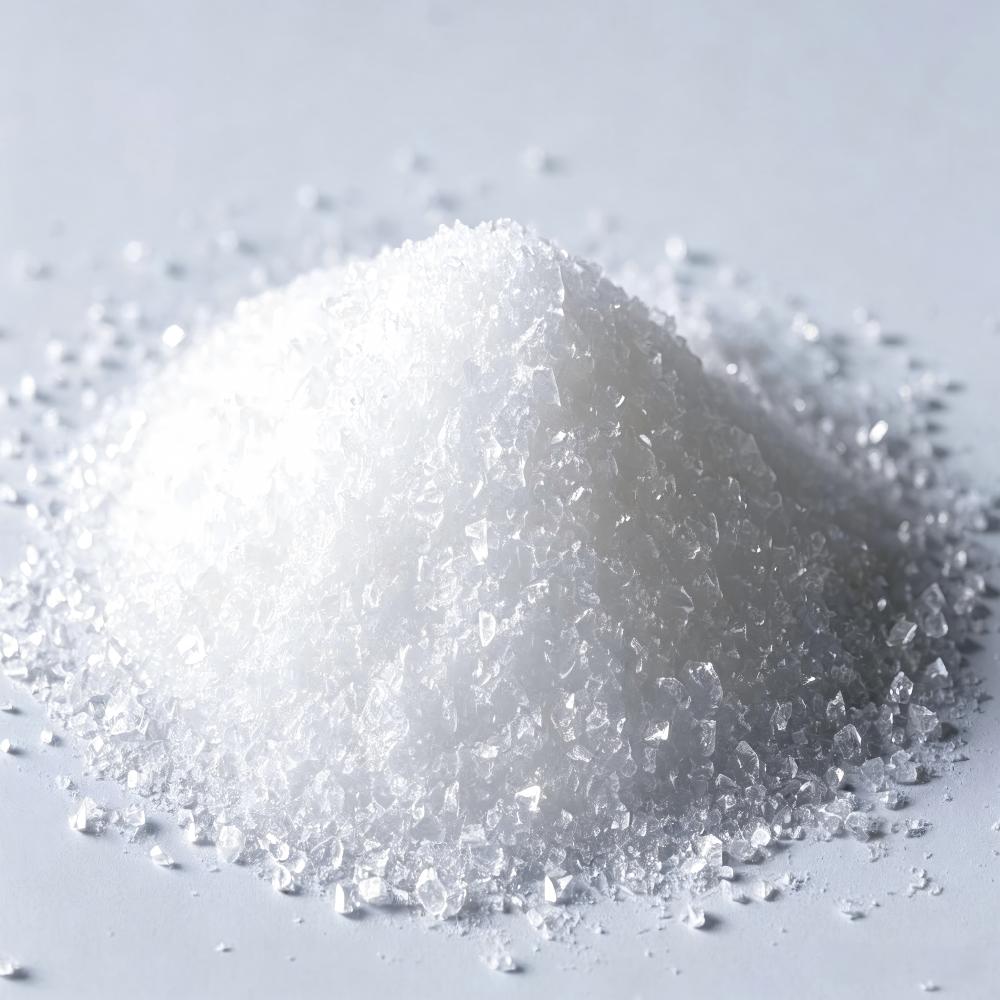
Sodium saccharin is a synthetic non-nutritive sweetener, registered as E954 in the EU additive system, CAS number 128-44-9 (anhydrous) / 6155-57-3 (dihydrate). It appears as white crystalline powder or granular crystals, odorless, freely soluble in water, and slightly soluble in ethanol.
Its most notable feature: 300–500 times sweeter than sucrose. Only a tiny dosage delivers strong sweetness, which drastically cuts raw material cost and avoids added calories. At high usage levels, it may show a slight bitter or metallic aftertaste, which formulators commonly mitigate by blending it with other sweeteners such as sucralose or acesulfame potassium.
Sodium saccharin has excellent thermal and pH stability. It does not decompose under normal high-temperature processing, making it suitable for baking, sterilization, pasteurization and long shelf-life finished goods.
Key Specifications & Available Grades
We supply food-grade sodium saccharin in multiple particle sizes to fit different production processes:
- 8–12 mesh / 12–20 mesh coarse granules: preferred for table sweetener tablets, pickles, preserved fruits, solid seasonings
- 40–80 mesh fine grains: widely used in beverages, candies, syrups
- 100 mesh powder: ideal for premix powders, pharmaceutical excipients, toothpaste and oral care formulations
Compliance standards we can provide: FCC, USP, BP, JECFA, HALAL, KOSHER. Certificates of analysis (COA), MSDS and batch test reports are available for every shipment.
Main Applications of Sodium Saccharin
1. Food & Beverage Industry (Primary Market)
- Carbonated drinks, still soft drinks, fruit-flavored syrups
- Confectionery, hard candies, chewing gum
- Preserved fruits, pickles, dried nuts, jams
- Low-sugar / zero-sugar baked goods, diet table sweetener tablets
2. Personal Care & Oral Care
Toothpaste, mouthwash, oral gel: sodium saccharin masks bitter taste of active ingredients without adding sugar.
3. Pharmaceutical Industry
Used as flavor masking agent in tablets, capsules, cough syrups and oral suspensions.
4. Other Industrial Uses
Animal feed additives, electroplating brightener (industrial grade, separated strictly from food grade).
Important note: Food-grade and industrial-grade sodium saccharin cannot be mixed. For food contact production, always confirm your supplier only delivers food-grade material with full supporting documentation.
Safety & Regulatory Status (Critical for Global Buyers)
Sodium saccharin E954 is approved for food use across most major markets, with defined acceptable daily intake (ADI):
- EFSA re-evaluated saccharin group ADI to 9 mg/kg body weight per day (2024 assessment)
- JECFA ADI: 0–5 mg/kg bw/day
- FDA permits sodium saccharin as a safe non-nutritive sweetener under 21 CFR 180.37
The old bladder cancer research concern from rodent studies has been dismissed by global food authorities; human consumption within regulated limits is safe. Still, every country sets maximum usage limits for different food categories. Before launching finished products, verify local food additive limits for your target market (EU, US, MENA, Latin America, Southeast Asia).
Sodium Saccharin vs Other High Intensity Sweeteners
Many buyers ask how sodium saccharin compares with other zero-calorie sweeteners.
- ✅ Sodium Saccharin: Lowest cost, excellent heat stability, strong sweetness; minor metallic aftertaste at high dosage
- Sucralose: Cleaner taste, higher price, good heat resistance
- Acesulfame K: Often blended with saccharin to cover aftertaste
- Aspartame: Less heat stable, breaks down during high-temperature processing
For mass-production projects with tight cost budgets, sodium saccharin remains the top pick. Most formulators use a sweetener blend to balance taste and formulation performance.
What to Check Before Buying Bulk Sodium Saccharin
When sourcing bulk sodium saccharin, avoid quality or compliance risks by checking these 6 points:
- Grade confirmation: Food grade or industrial grade
- Mesh size matching your mixing & filtering process
- Full certificates: COA, MSDS, HALAL / KOSHER as required
- Heavy metal & impurity limits (lead, arsenic, sulfate content)
- Packaging: standard 25kg kraft bag with inner PE liner, moisture-proof
- Lead time, MOQ, sample availability
We provide free test samples for formulation validation. Our bulk shipments can be customized for different regional documentation requirements, including supporting files for customs clearance and food authority inspections.
FAQ for Sodium Saccharin
Q1: Is sodium saccharin zero calorie?
A: Yes. Human body does not metabolize saccharin, so it brings no caloric contribution to final products.
Q2: Can sodium saccharin be used in high-temperature baking?
A: Yes. It remains stable under normal baking and sterilization temperatures, no sweetness loss.
Q3: What is the shelf life of sodium saccharin?
A: 24 months when stored in cool, dry conditions, sealed packaging. Keep away from moisture.
Q4: What is your MOQ for bulk sodium saccharin?
A: Our standard MOQ is 1000kg; smaller trial orders are negotiable. Contact our sales team for details.
Conclusion
Sodium saccharin (E954, CAS 128-44-9) is a mature, stable, economical zero-calorie sweetener for food, beverage, oral care and pharma applications. Its high sweetness intensity reduces addition rates and production costs. The key to successful formulation is selecting the correct mesh grade and controlling dosage to avoid aftertaste.
If you are looking for a reliable bulk sodium saccharin supplier with complete certification and stable supply for your manufacturing project, reach out to our team. We can send samples, share COA and quote competitive pricing for your target market.